Sphenobaiera

via iDigBio · CC BY-NC-SA · via iDigBio. May be a photograph of a specimen, or an artist’s reconstruction — an interpretation of a skeleton, since colour and soft tissue are almost never preserved.
On record
Recorded, not inferred- Sits inside
- GinkgoalesPBDB
- Diet
- "photoautotroph"PBDB, for Streptophyta
Time the record covers
At least 234 million years on record.
The record covers at least 290.1 Mya to 56 Mya. No occurrence read is dated outside 315.2 Mya to 33.9 Mya.
516 occurrences of Sphenobaiera on record, most of them in the Middle Jurassic. Bar height is expected occurrences, not a count: each fossil is spread across the span it is dated to, so a tall narrow bar means tight dating and a low wide one means loose.
When
516 occurrences- Carboniferousunder 1%
- Permian6%
- Early Triassic2%
- Middle Triassic3%
- Late Triassic19%
- Early Jurassic28%
- Middle Jurassic30%
- Late Jurassic9%
- Early Cretaceous3%
- Late Cretaceousunder 1%
- Eoceneunder 1%
These are dates about fossils, not the animal: the record can only begin after it arose and end before it died out, so either end may reach further. Shares are expected occurrences: a fossil dated to a span is counted partly in each period it straddles. More on what this infers.
Found in
215 formations
- Molteno Formation · Stormberg Group29
- Saltwick Formation · Ravenscar Group13
- Cape Stewart Formation10
- Erbek Suite Formation9
- Basal and coal-bearing Suite Formation8
- Ozhogino Suite Formation6
Loading coastlines…
The named rock units Sphenobaiera has been recovered from, largest first. Drawn where the rock is now, not where it formed. 191 further formations hold fewer occurrences each and are not listed. 100 occurrences have no formation on record, which is common for older literature.
Sphenobaiera and its relatives
Middle JurassicWhere Sphenobaiera and its relatives were recorded in the Middle Jurassic.
Found in the same rock
600 taxa- Cladophlebis141 sites
- Podozamites131 sites
- Equisetites99 sites
- Czekanowskia95 sites
- Phoenicopsis90 sites
- Neocalamites89 sites
- Pityophyllum87 sites
- Coniopteris82 sites
- Nilsonia81 sites
- Taeniopteris80 sites
- Ginkgoites77 sites
- Pterophyllum63 sites
- Baiera62 sites
- Ginkgo61 sites
- Clathropteris59 sites
- Todites53 sites
- Carpolithus51 sites
- Pseudoctenis48 sites
- Sphenopteris48 sites
- Elatocladus46 sites
- Dictyophyllum44 sites
- Anomozamites42 sites
- Dicroidium37 sites
- Ctenis34 sites
The Paleobiology Database records 372 sites for Sphenobaiera, and this reads 240 of them. The number is how many of those sites it was catalogued from too. The 24 sharing the most are listed.
This is not a list of everything alive at the time. It is only what has come out of the same ground as this animal and been written down.
Entered from
170 references- Table 35 Molteno vegetative genera, phytosociological table32
- Triassic Floras of Eurasia14
- About the Middle Asia Jurassic flora14
- Stratigraphy and flora of the Jurassic deposits of the Western and Southern Siberia and Tuva12
- Genkina, 196612
- Early Jurassic land flora of the Getic Nappe11
- Materials on stratigraphy and correlation of the Jurassic coal-bearing deposits of Kuznetsk, Ulugkhem, and Irkutsk basins11
- The Stratigraphic Tables of Xinjiang10
- Stratigraphic relations of the plant beds10
- The Yorkshire Jurassic Flora V. Coniferales8
- The Stratigraphic Tables of Heilongjiang8
- Ammonites, bivalves, conchostracans, and plants of Transbaikalia and Yakutiya7
Each of the 516 occurrences read was entered from one of these publications, ordered by how many each accounts for. This is not a search for papers mentioning the name. 158 further references are not listed. Entries link to doi.org where the Paleobiology Database holds an identifier, and to its own record where it does not. Relayed as the Paleobiology Database holds them, not checked against what they resolve to.
Media and terms
Media content2
Picture of Sphenobaiera
- Source
- iDigBio
- Credit
- via iDigBio
- Licence
- CC BY-NC-SA
- Commercial use
- the licence does not allow it
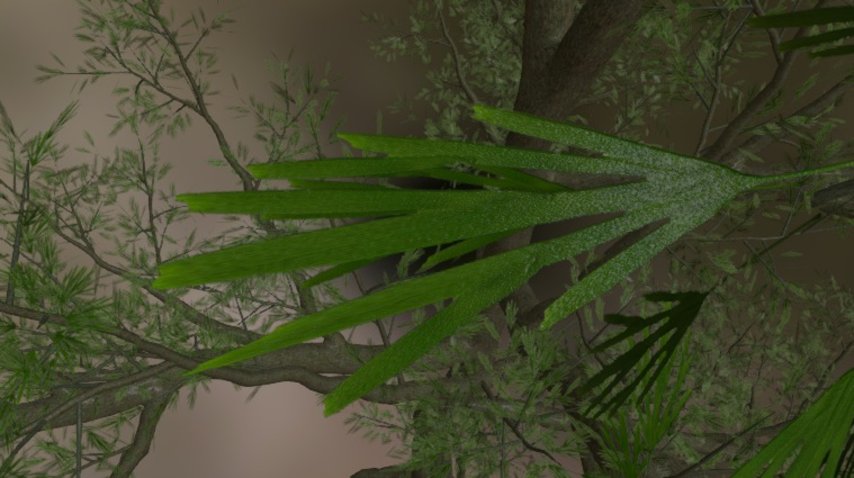
This is what the site found, which is not the same as what exists.
Keep going
What may have been alongside itGinkgoales through timeFormations of the Middle JurassicThe world it lived on
Occurrence data from the Paleobiology Database, CC BY 4.0. Florin 1936